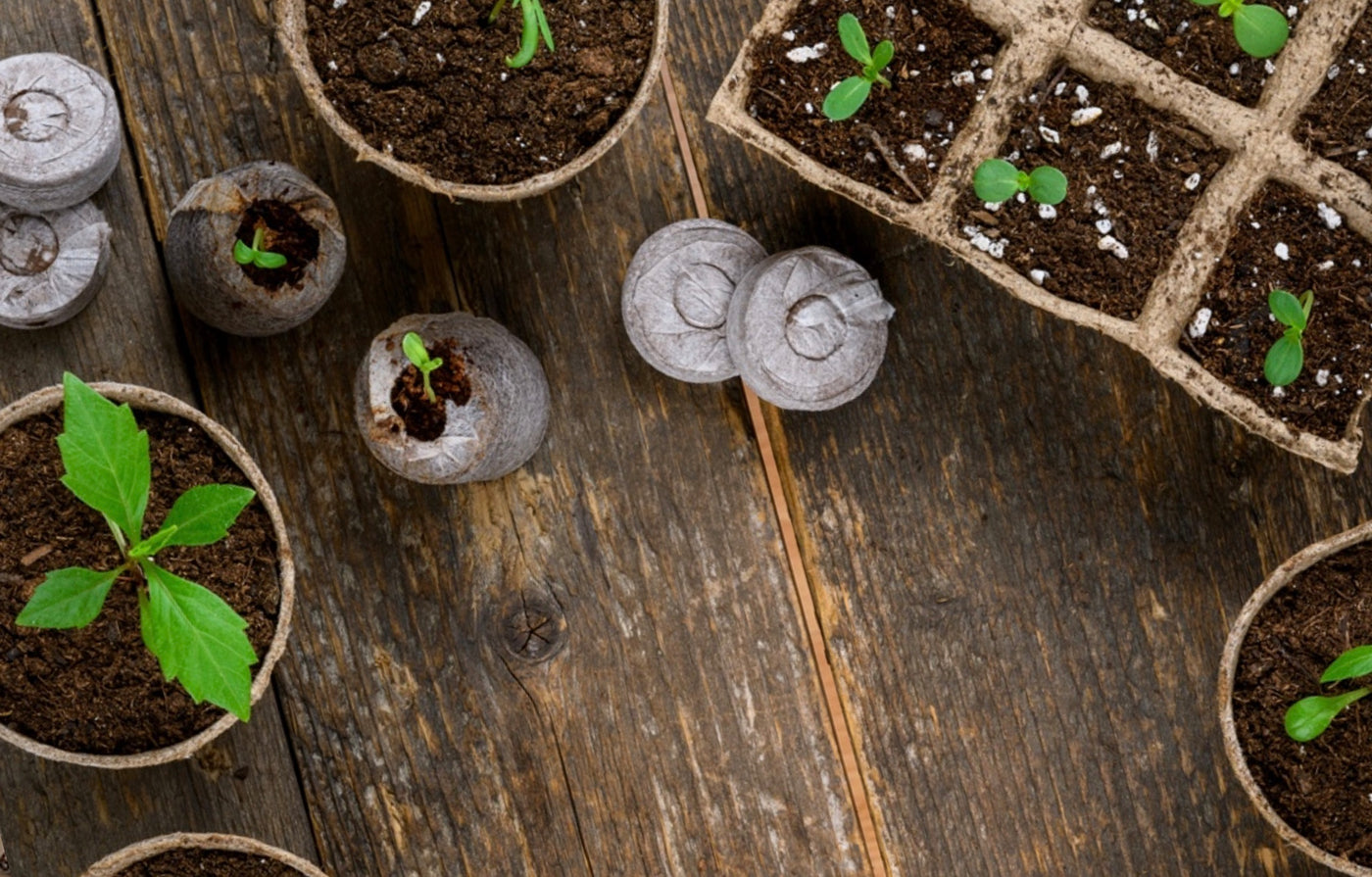
Rue seeds
Description
Description

Rue: The Bitter Herb with Ancient Roots
Rue is a distinctive perennial herb with a long history in gardens and traditional medicine. With its finely divided, blue-green foliage and small yellow flowers, rue adds textural interest to herb gardens while offering unique culinary and medicinal applications. This hardy plant thrives in poor soil where many other herbs struggle, making it an excellent choice for low-maintenance gardening.
Understanding Rue's Unique Character
Rue is known for its intensely bitter flavor and pungent aroma—qualities that make it a specialty ingredient rather than an everyday herb. Small amounts of fresh or dried rue leaves add complexity to certain dishes, particularly in Mediterranean and Middle Eastern cuisines. The herb has been used traditionally for centuries in various cultural practices and folk remedies, though modern use is more limited and cautious due to its potency.
Beyond culinary applications, rue is valued by gardeners for its ornamental qualities. The delicate, feathery foliage creates an airy texture in herb beds, and the bright yellow flowers attract pollinators. Rue is also remarkably hardy and drought-tolerant once established, requiring minimal care and thriving in conditions that challenge other plants.
Growing Rue Successfully
Rue prefers full sun and well-draining soil—in fact, it performs best in poor to average soil and actually struggles in overly rich conditions. Plant seeds indoors 6-8 weeks before your last frost, or direct-seed outdoors after frost danger passes. Space plants 18-24 inches apart to allow room for the plant's spreading growth habit.
Water sparingly once established; rue is drought-tolerant and prefers dry conditions to wet soil. Avoid fertilizing, as this encourages weak, leggy growth. Rue is a perennial in most climates and will return year after year with minimal intervention.
Harvesting and Using Rue
Harvest rue leaves in the morning after dew dries, pinching off young growth to encourage bushier plants. Use rue sparingly in cooking—a small leaf or two adds distinctive flavor to vinegars, oils, and certain traditional dishes. Many gardeners grow rue primarily for its ornamental and historical value rather than frequent culinary use.
Rue represents a different kind of herb garden plant—one valued for its resilience, beauty, and connection to gardening traditions rather than everyday kitchen use.
What Is Rue?
Rue is a distinctive perennial herb with blue-green, finely divided foliage and a unique, pungent flavor. This ancient plant has been cultivated for centuries and holds significance in both culinary and ornamental gardening. With its attractive appearance and aromatic qualities, rue adds character to any herb garden, though its strong taste means a little goes a long way in the kitchen.
Growing Rue in Your Garden
Rue thrives in well-draining soil and full sun, preferring lean, even poor soil conditions. Plant it in a location that receives at least six hours of direct sunlight daily for optimal growth and foliage color. The herb is extremely drought-tolerant once established and requires minimal water, making it perfect for gardeners in arid regions or those seeking hardy, self-sufficient plants.
Space rue plants about 18 inches apart to accommodate their spreading growth habit. This herb is hardy in most climates and can be grown as a perennial in cooler regions. Rue typically reaches 24 to 36 inches in height and produces small, yellow flowers that attract pollinators. The plant's distinctive blue-green leaves provide visual interest even when not in bloom.
Harvesting and Using Rue
Begin harvesting rue leaves once the plant is well-established, typically in mid-summer. Pinch off sprigs carefully, as the plant's oils can cause skin sensitivity in some individuals. Fresh rue leaves can be used sparingly in cooking, while dried rue stores well in a cool, dark place for extended periods.
Rue has a bold, bitter flavor and should be used judiciously in the kitchen. It pairs well with Mediterranean dishes, cheese-based recipes, and traditional preparations. A small amount of rue adds depth and complexity to vinegars, oils, and herb blends. Many gardeners grow rue primarily for its ornamental value and historical significance rather than culinary use.
Caring for Your Rue Plants
Water rue sparingly, allowing the soil to dry completely between waterings. This herb strongly dislikes wet conditions and overwatering can quickly lead to root rot. Rue requires no fertilization and actually performs better in poor soil. Prune back the plant in spring to maintain a neat, compact shape and remove any winter-damaged growth.
In colder climates, rue is naturally hardy and requires no special winter protection. With minimal care and attention, rue will thrive for years, providing both visual appeal and a unique addition to your herb collection.
- Needs full sun to grow well
- It is drought tolerant and rarely, if ever needs to be watered
- Rue has a long history of use as a domestic remedy, being especially valued for its strengthening action on the eyes
- The plant contains flavonoids that reduce capillary fragility, which might explain the plants reputation as an eye strengthener.
- Days to Maturity | 75 days
⚠️ **Warning** Although rue is safe when used correctly, it is considered a toxic herb that can cause side effects such as severe rashes, mood swings, sensitivity to light, stomach pains, dizziness, liver and kidney damage, sleep disorders & muscle spasms.
Frequently Asked Questions
What are the main characteristics of rue herb that make it unique?
How do I grow rue herb successfully in my garden?
When is the best time to harvest rue herb for culinary or ornamental purposes?
Can I grow rue herb indoors or is it only suitable for outdoor gardens?
What are the soil and sunlight requirements for growing rue herb?
What makes rue herb a good choice for drought-tolerant gardens?
Are there any safety precautions I should be aware of when handling rue herb?
How long does it take for rue herb seeds to reach maturity?
What are some common culinary uses for rue herb?
What ornamental features does rue herb offer in a garden setting?

continue shopping ...
🌱 Featured Collections
View seed catalog


We now accept the following payment methods
About Our Seeds
About Our Seeds

|
GMO-FREE We also offer a few hybrid varieties on this website and they will be labeled as such on product listing. |

|
|
|
MOISTURE-PROOF PACKAGING All our seeds are packaged in high quality re-sealable moisture-proof packs designed to protect & extend the shelf-life of your seeds. We do NOT use paper envelopes. Read frequently asked questions |
 |
|
|
5-STAR CUSTOMER SUPPORT |
 |
|
|
SATISFACTION. GUARANTEED. |
 |
|
|
HIGHEST QUALITY SEEDS |

|
|
|
TOTALLY RAW & UN-TREATED |

|

Know where your food comes from.
Support local growers.
Grow your own Organic/GMO-FREE food!

Useful Links: [What is GMO?] [Step-by-Step Grow Guides] [Safe Seed Pledge] [FAQs]
WE DO NOT GROW OR SELL SEEDS FROM MONSANTO OR ANY OTHER COMPANY THAT IS AFFILIATED WITH GMO.
✓ NON-GMO
✓ HEIRLOOM
✓ OPEN-POLLINATED (OP)
✓ RAW, NATURAL & UN-TREATED
Safe Seed Pledge
Safe Seed Pledge
OUR PLEDGE TO YOU
Agriculture and seeds provide the basis upon which our lives depend. We must protect this foundation as a safe and genetically stable source for future generations.
For the benefit of all farmers, gardeners and consumers who want an alternative. We pledge to you that we do not knowingly buy or sell genetically engineered seeds or plants. The mechanical transfer of genetic material outside of natural reproductive methods and between genera, families or kingdoms, poses great biological risks as well as economic, political, and cultural threats.
We wish to support agricultural progress that leads to healthier soils, genetically diverse agricultural ecosystems and ultimately healthy people and communities.
We do not buy - OR - grow any seed from large corporations that make Genetically Engineered seeds. We don't touch that stuff and we never will.
The seeds we offer aren't like varieties you'd typically find at a garden center.
Every variety we offer is 100% OP (open-pollinated). Open-pollination means that you can safely save the seed after harvest and preserve a collection of heirloom seed for many generations to come.
To make it perfectly clear ... Our seeds do not contain any exogenously inserted embryogenesis deactivator genes caused by human intervention.
⭐⭐⭐⭐⭐
Highest Quality Seed, Guaranteed
... continue shopping!