Depth to Plant
|
Spacing Between Plants |
Spacing Between Rows |
Days to Germinate (Sprout)
|
Germination
|
Planting Season
|
Plant Height |
No. of Plants per sq. ft.
|
Soil Requirements
|
|
 Shop Onion Seeds |
1/4" deep |
Space plants about 3" - 4" apart |
Make rows about 6" - 10" apart |
7 - 14 days | 50F - 85F | Spring Summer Fall |
Appx. 12" tall | 16 plants per sq. ft. | Prefers soil with pH levels of 6.0 - 7.5. |
Getting Started with Onion Seeds
Planting onions seed is a rewarding way to expand your garden and enjoy fresh, flavorful bulbs year-round. While onions require patience and attention to detail, the process is straightforward enough for both beginners and experienced gardeners. Starting from seed gives you access to a wider variety of onion types than purchasing sets, and it's often more economical.
Choosing the Right Onion Varieties
Before planting, select onion varieties suited to your climate. Long-day onions thrive in northern regions, while short-day varieties perform better in southern climates.. Consider whether you want storage onions, sweet onions, or red varieties—each has different growing requirements and harvest times.
Starting Seeds Indoors
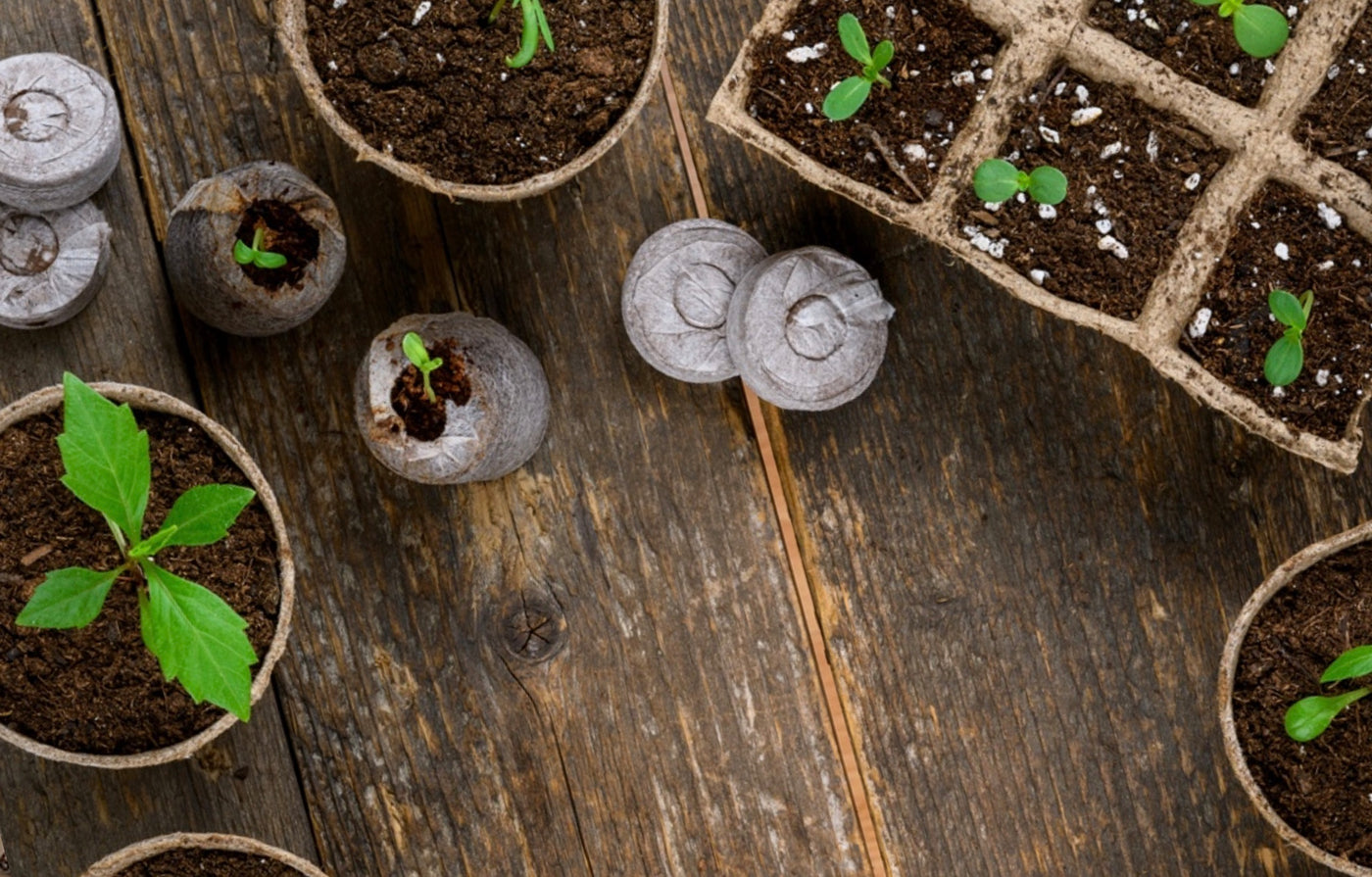
Start onion seeds indoors 8 to 10 weeks before your last spring frost. Use a seed-starting mix in trays or containers, keeping the soil consistently moist but not waterlogged. Plant seeds about a quarter-inch deep and maintain temperatures around 70°F for best germination, which typically occurs within 7 to 10 days. Once seedlings emerge, provide bright light—a sunny windowsill or grow lights work well—and keep them at 60 to 65°F.
Transplanting Seedlings
When seedlings develop their first true leaves, thin them to about an inch apart. Continue thinning as they grow to prevent overcrowding. Around 4 to 6 weeks after planting, seedlings should be ready to harden off—gradually expose them to outdoor conditions over 7 to 10 days to acclimate them to sun and wind.
Preparing Your Garden Bed
Onions prefer full sun and well-draining, nutrient-rich soil. Work compost or aged manure into the bed several weeks before planting to improve fertility and drainage. Remove rocks and debris, then create raised rows or mounds if your soil tends to stay wet. A soil pH between 6.0 and 7.0 is ideal.
Planting Outdoors
Transplant seedlings outdoors after the last frost, spacing them 4 to 6 inches apart in rows 12 to 18 inches apart. Plant them at the same depth they were growing indoors—the soil line should match the green stem. Water gently after planting to settle the soil and reduce transplant shock.
Watering and Care
Onions need consistent moisture, especially during bulb formation. Provide about 1 inch of water per week through rainfall or irrigation. Water at the base of plants to keep foliage dry and prevent disease. Mulch around plants with 2 to 3 inches of organic material to retain moisture and suppress weeds.
Fertilizing for Healthy Growth
Apply a balanced fertilizer or compost tea every 3 to 4 weeks during the growing season. Once bulbs begin to form (usually when plants reach 6 to 8 inches tall), switch to a lower-nitrogen fertilizer to encourage bulb development rather than excessive leaf growth. Stop fertilizing once the bulbs start enlarging.
Managing Pests and Diseases
Monitor plants regularly for common onion pests like thrips and onion flies. Remove affected leaves or use organic pest management methods like neem oil if needed. Ensure good air circulation to prevent fungal diseases, and avoid overhead watering. Practice crop rotation by planting onions in different locations each year.
Harvesting Your Onions
Onions are ready to harvest when the tops begin to yellow and fall over naturally—typically 3 to 4 months after transplanting. Stop watering once this happens to allow bulbs to cure. Gently pull or dig onions from the soil and leave them in a warm, dry, well-ventilated spot for 2 to 3 weeks to cure. Once the outer skin dries completely and the tops are papery, trim the stems and store in a cool, dark place.
Storing Your Harvest
Properly cured onions store for several months in a cool (50 to 55°F), dry location with good air circulation. Avoid storing them in plastic bags, which trap moisture. Instead, use mesh bags, baskets, or braided strings. Check periodically and remove any soft or sprouting bulbs to prevent rot from spreading.