Depth to Plant
|
Spacing Between Plants |
Spacing Between Rows |
Days to Germinate (Sprout)
|
Germination
|
Planting Season
|
Plant Height |
No. of Plants per sq. ft.
|
Soil Requirements
|
|
 Shop Rhubarb Seeds |
1/4" deep |
Space plants about 2' apart |
Make rows about 3' apart |
Appx. 35 days | 50F - 85F | Spring Summer |
Appx. 36" tall | 16 plants per sq. ft. | Prefers soil with pH levels of 6.0 - 7.5. |
Starting Your Rhubarb Garden from Seed
Planting rhubarb seed is a rewarding way to establish this hardy perennial in your garden. While rhubarb can also be propagated from root divisions, starting from seed gives you the satisfaction of nurturing plants from the very beginning. Here's how to do it successfully.
Choosing Your Seeds
Buy high-quality rhubarb seeds.
Preparing for Planting
Rhubarb seeds benefit from a period of cold stratification, which mimics winter conditions and helps break dormancy. Place seeds in a damp paper towel, seal them in a plastic bag, and refrigerate for 3 to 4 weeks before sowing. This cold period increases germination success significantly.
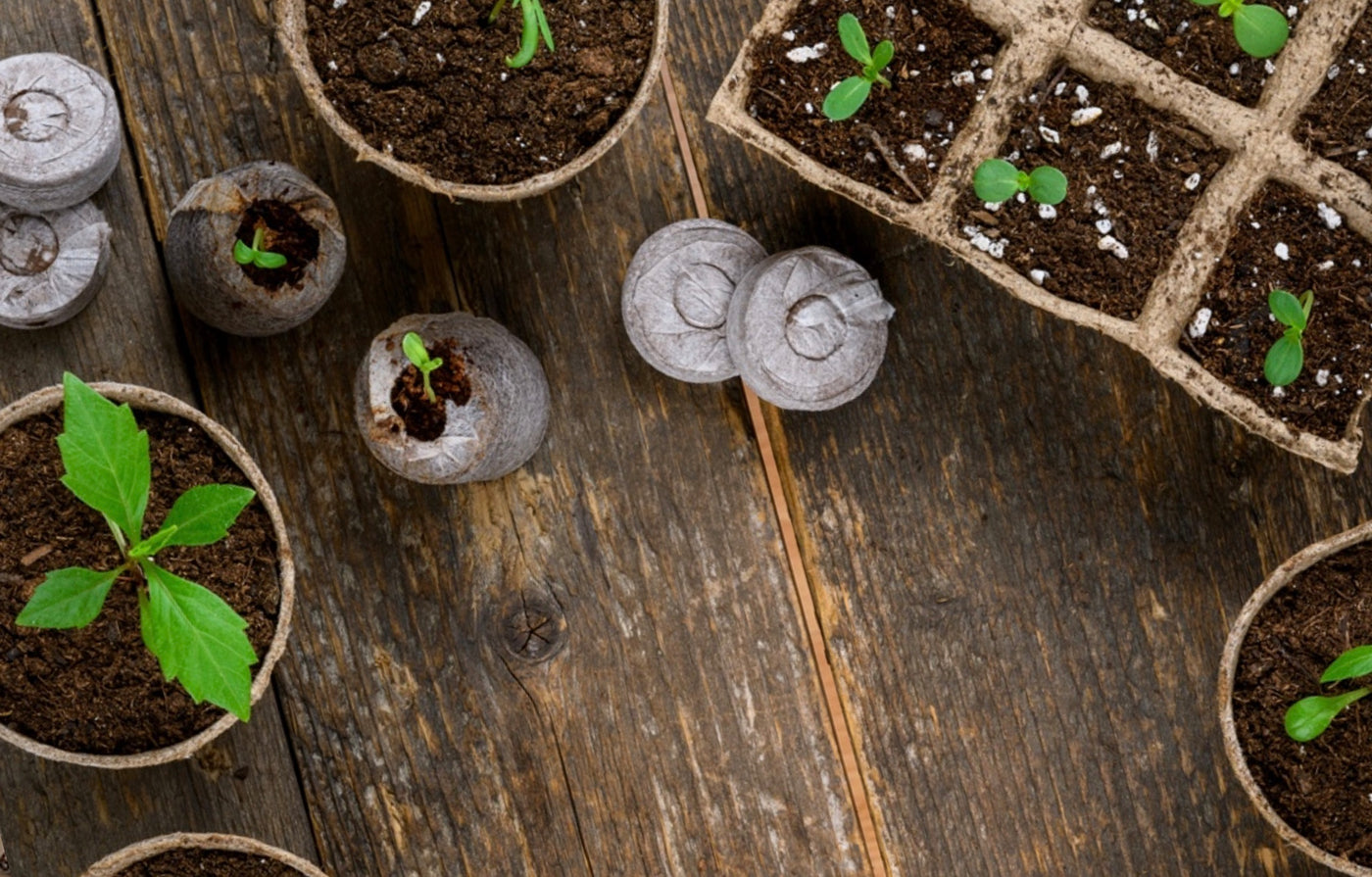
Starting Seeds Indoors
Begin seeds indoors 8 to 10 weeks before your last spring frost. Fill seed trays with a quality seed-starting mix and sow seeds about a quarter-inch deep. Keep the soil consistently moist but not waterlogged. Maintain temperatures between 65 and 75 degrees Fahrenheit. Most seeds will germinate within 7 to 14 days under these conditions.
Light and Growth
Once seedlings emerge, provide plenty of bright light—ideally 14 to 16 hours per day. A grow light positioned a few inches above the seedlings works well. Keep the soil evenly moist as seedlings develop their first true leaves. Thin crowded seedlings to prevent competition.
Hardening Off and Transplanting
When seedlings are 4 to 6 inches tall and have developed several true leaves, begin hardening them off. Gradually expose plants to outdoor conditions over 7 to 10 days, increasing time outside each day. This prepares them for garden life. Transplant seedlings into individual pots filled with potting soil and keep them growing indoors until the danger of frost has passed.
Moving to the Garden
Choose a garden location with full sun and well-draining soil rich in organic matter. Space plants 3 to 4 feet apart, as mature rhubarb plants spread considerably. Plant seedlings at the same depth they were growing in pots. Water thoroughly after planting and keep soil consistently moist during the first growing season as roots establish.
Care Through the Season
Mulch around plants to retain moisture and suppress weeds. Rhubarb is relatively low-maintenance once established. Fertilize in spring with compost or a balanced fertilizer. Remove any flowering stalks that appear—this directs energy into leaf growth rather than seed production.
Patience and Harvesting
Resist the urge to harvest during the first year. Allow plants to focus energy on establishing a strong root system. In the second and third years, you can lightly harvest a few stalks. By the fourth year, your plants will be mature enough for regular harvesting, providing fresh rhubarb for years to come.